
Jenkins County Criminal Court Cases
Jenkins Superior Court, in the Ogeechee Judicial Circuit, has exclusive felony trial jurisdiction. Jenkins State Court handles misdemeanors and traffic matters within its jurisdiction. Magistrate Court deals with arrest and search warrants, first appearances, preliminary hearings, and other limited matters. Probate Court has only those criminal or traffic functions assigned by law. Millen Municipal Court keeps a separate docket for city ordinances and qualifying traffic or fine-only cases.
The clerk of the court that heard the matter keeps its case file. The Sheriff's Office supplies security across Superior, State, Magistrate, and Probate courts, but it does not become the custodian of every judicial docket. A sheriff report or jail booking may point toward a case; the court file supplies the filed charge and outcome.
Five Jenkins Courts, Five Roles
A common error is assuming every charge belongs in Superior Court. Begin with the level and location of the alleged offense. A felony indictment belongs with Superior Court. A misdemeanor accusation may be in State Court. A warrant or first-appearance document can begin in Magistrate Court. A Millen ordinance citation remains with Municipal Court unless a separate state case develops.
Jenkins court-file routing
Superior and State: state e-access directory and clerk fallback.
Magistrate, Probate, and Millen Municipal: phone or counter; no official public name portal was found.
Jenkins Sheriff: agency reports and booking records, not the clerk's judicial file.
If the court is unclear, give the clerk the name, approximate year, alleged charge, and arresting agency. Those facts are more useful than a broad request sent to every office.
Searching Jenkins County Case Records
The Georgia Judicial Council E-Access directory lists Jenkins Superior and State Court, but its linked service requires a provider account. Electronic access does not mean a free county name search. Use the clerk when access is gated, a file is old, or an image is absent.
- Select Superior or State Court based on the offense and charging document.
- Open the listed provider, sign in, and select the correct Jenkins court.
- Search by exact case number when known; otherwise use name, year, and category.
- Read the docket and confirm the court, charge, and identifiers.
- Ask the clerk for selected documents or a certified copy; check Municipal or Magistrate separately.
| Item | Use | Limit |
|---|---|---|
| Court | Separates Superior and State | Choose the right entry |
| Case number | Best exact key | Copy format exactly |
| Party name | Finds candidates | Aliases can mislead |
| Filing range | Narrows by year | Labels are provider-specific |
| Category | Limits case type | Options vary |
Jenkins E-Filing Is Not Free Search
The official Georgia e-filing chart confirms provider arrangements for Jenkins courts. It describes filing services, not a promise that all public documents can be searched without an account or charge.
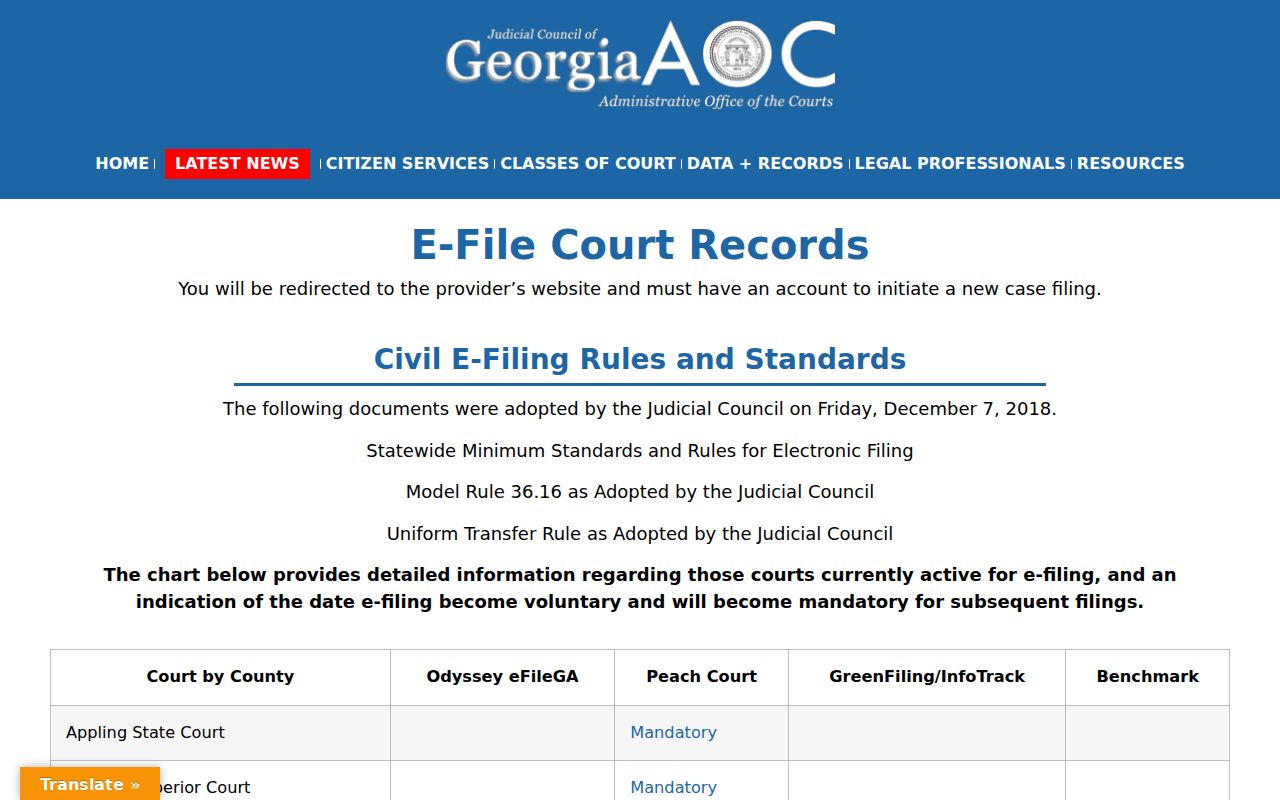
The listing finds the official service. The clerk remains the fallback for certification, archives, absent images, and copy fees. No published Jenkins plain or certified copy schedule was found, so request an estimate before ordering a large file.
Inside a Jenkins County Case File
A docket is the file's running index. It may name an event without including the underlying motion, order, or transcript. Ask for the docket sheet first, then select the documents that answer the question.
| Case number and court | Clerk key, filing date, division, status, and judge when public. |
|---|---|
| Charging document | Accusation, indictment, complaint, or citation stating filed counts. |
| Docket entries | Indexed events, not always full images. |
| Hearing dates | Arraignment, motion, plea, trial, and review dates. |
| Disposition | Dismissal, nolle prosequi, acquittal, plea, verdict, or current outcome. |
| Sentence | Custody, probation, fines, restitution, and terms when public. |
Counsel, bond, statutes, assessments, revocation activity, and appeal notices may appear. Social Security numbers, account data, protected victim or minor details, and sealed material should not appear publicly.
Federal Cases Bypass Jenkins Dockets
Jenkins County lies in the U.S. District Court for the Southern District of Georgia. Federal charges are not stored in ordinary Jenkins Superior Court files. The Southern District website identifies the federal court.
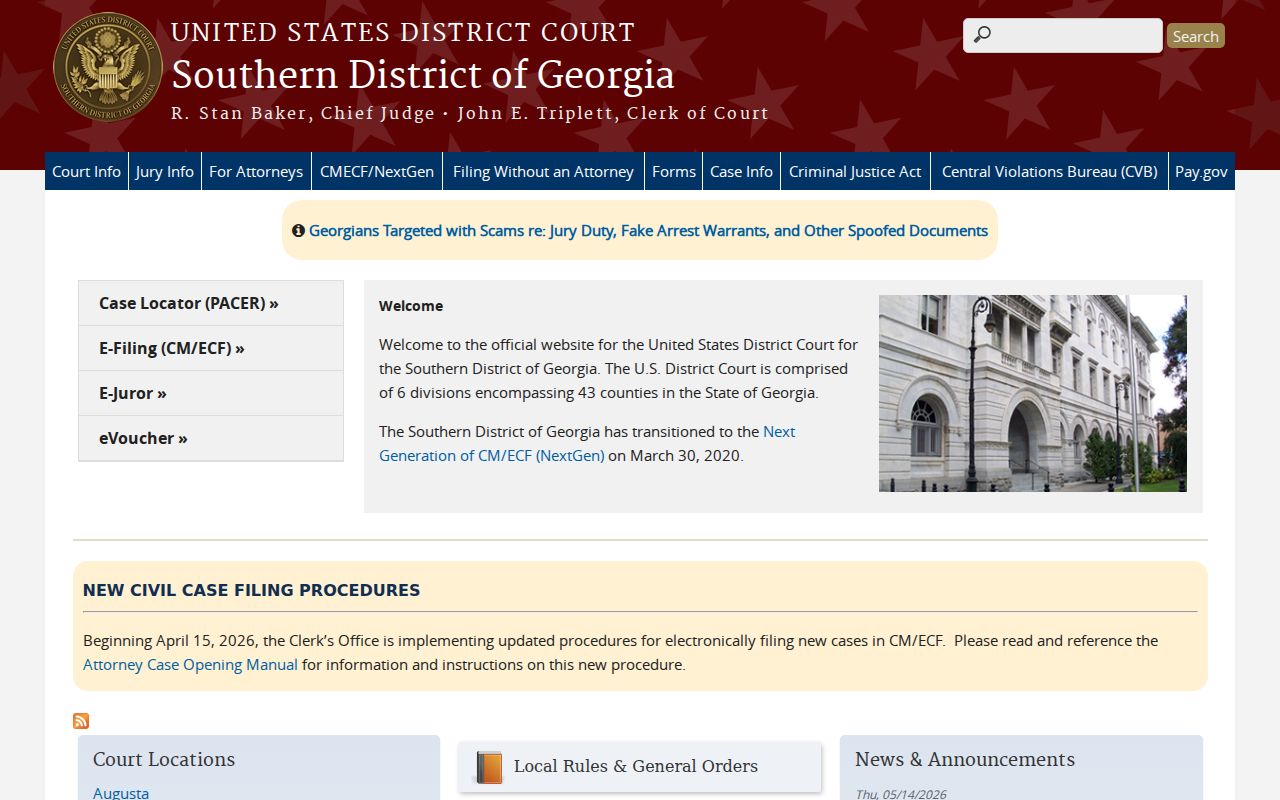
This source prevents a request for a federal indictment from going to a county clerk. Use the Jenkins channels for state cases.
PACER supplies account-based federal docket access under its current fee schedule.
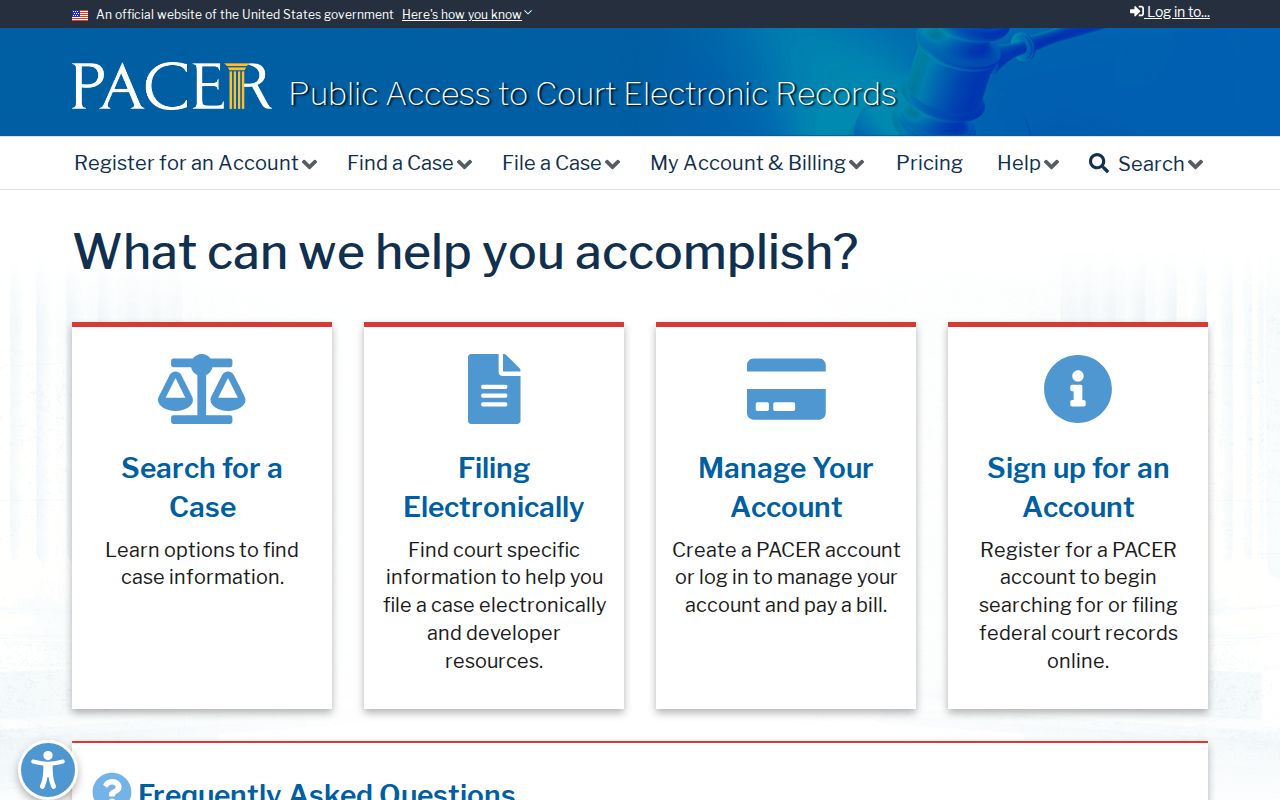
PACER searches federal parties and cases. It never replaces the Jenkins provider or clerk.
How a Jenkins Criminal Case Moves
A custody matter can begin with arrest, booking, and a Magistrate first appearance. The prosecutor decides how to charge. Felonies may proceed through grand-jury indictment; an accusation is used where Georgia law permits. Arraignment records a plea. Discovery, motions, and hearings shape pretrial issues. Dismissal, nolle prosequi, plea, trial verdict, or another disposition resolves each count. A conviction leads to judgment and sentence. Appeal or probation-revocation entries may extend the docket.
Case flow: Charges Filed › Arraignment › Pretrial › Plea or Trial › Disposition › Sentencing
No single Jenkins timetable was documented. Court needs, grand-jury scheduling, and emergency closures can change the pace.
Emergency Orders Shift Jenkins Deadlines
Hurricane Helene brought an Ogeechee Circuit judicial emergency in September 2024. A January 2025 winter-storm order closed the Jenkins courthouse and tolled deadlines. These events show why an old calendar entry does not prove that a hearing occurred.
Check the Georgia Courts emergency orders when a closure overlaps a filing date or appearance. Confirm the current event with the clerk. A docket may later show a continuance, but direct confirmation is best when the date is near.
Case Record Access & Restrictions
Uniform Superior Court Rule 21 begins with public access unless law or a supported order limits the record. The Georgia Open Records Act presumes agency records are available subject to exemptions and generally calls for a response within three business days, even when production takes longer. Court procedure still controls clerk files.
Key rules: O.C.G.A. §§ 50-18-70 through 50-18-77 cover open records; Rule 21 states the court access standard; O.C.G.A. § 35-3-37 covers restriction and eligible sealing.
Juvenile data, protected victim and minor facts, financial identifiers, and sealed records can be withheld. If a result is missing, ask whether it is in another court, archived, not imaged, new, or restricted. Request segregable public portions.
Restriction Does Not Erase Every File
Georgia record restriction limits eligible GCIC disclosure for non-criminal-justice purposes. Court sealing is a related but separate step. A dismissal does not prove that every agency artifact vanished.
The GBI restriction guidance explains the route.
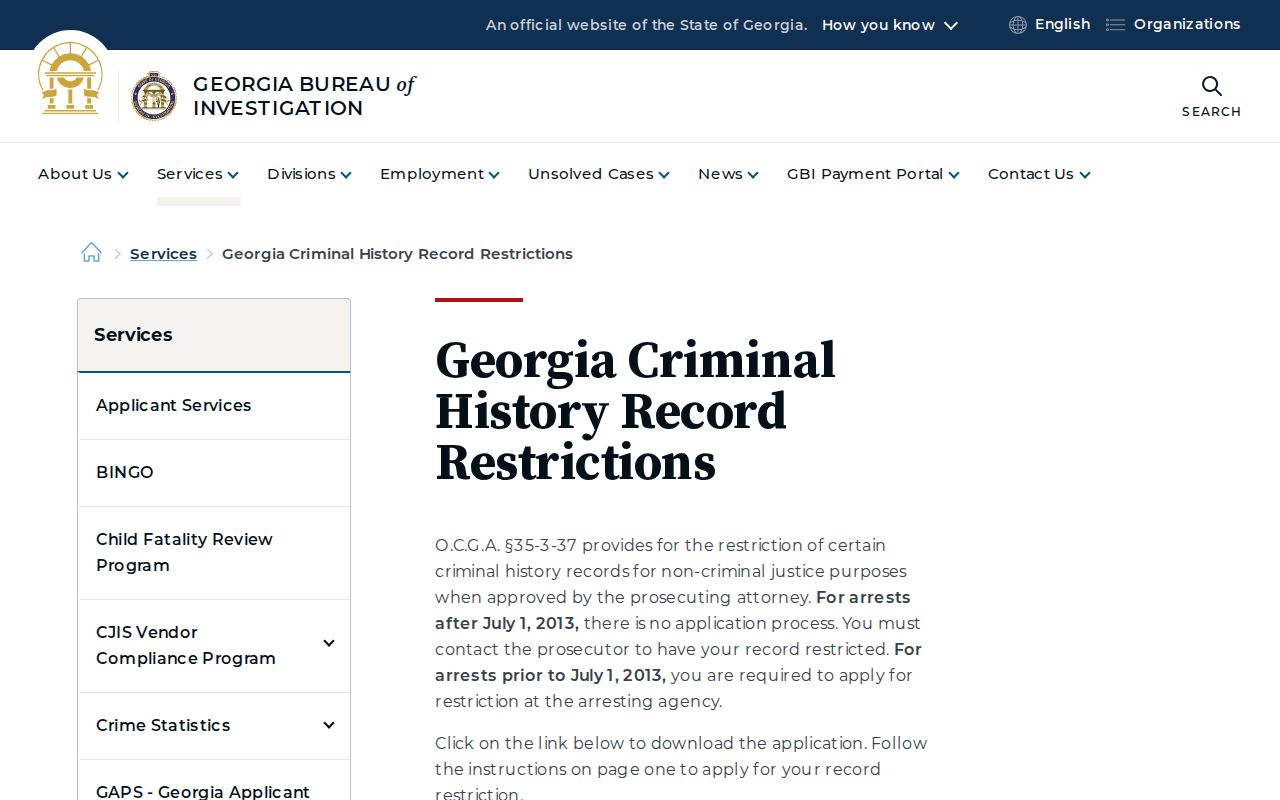
Inspect the Jenkins disposition, correct missing outcomes, and pursue sealing separately if eligible. Arrests on or after July 1, 2013 begin with the prosecutor; older arrests begin with the arresting agency under GBI instructions.
Jenkins Sentences Split Across Agencies
The judgment belongs in the court file. Supervision and custody data may be elsewhere. DCS oversees felony probationers and parolees; the State Board makes parole decisions. Neither replaces the clerk's sentence.
The Georgia State Board of Pardons and Paroles is the official parole authority.
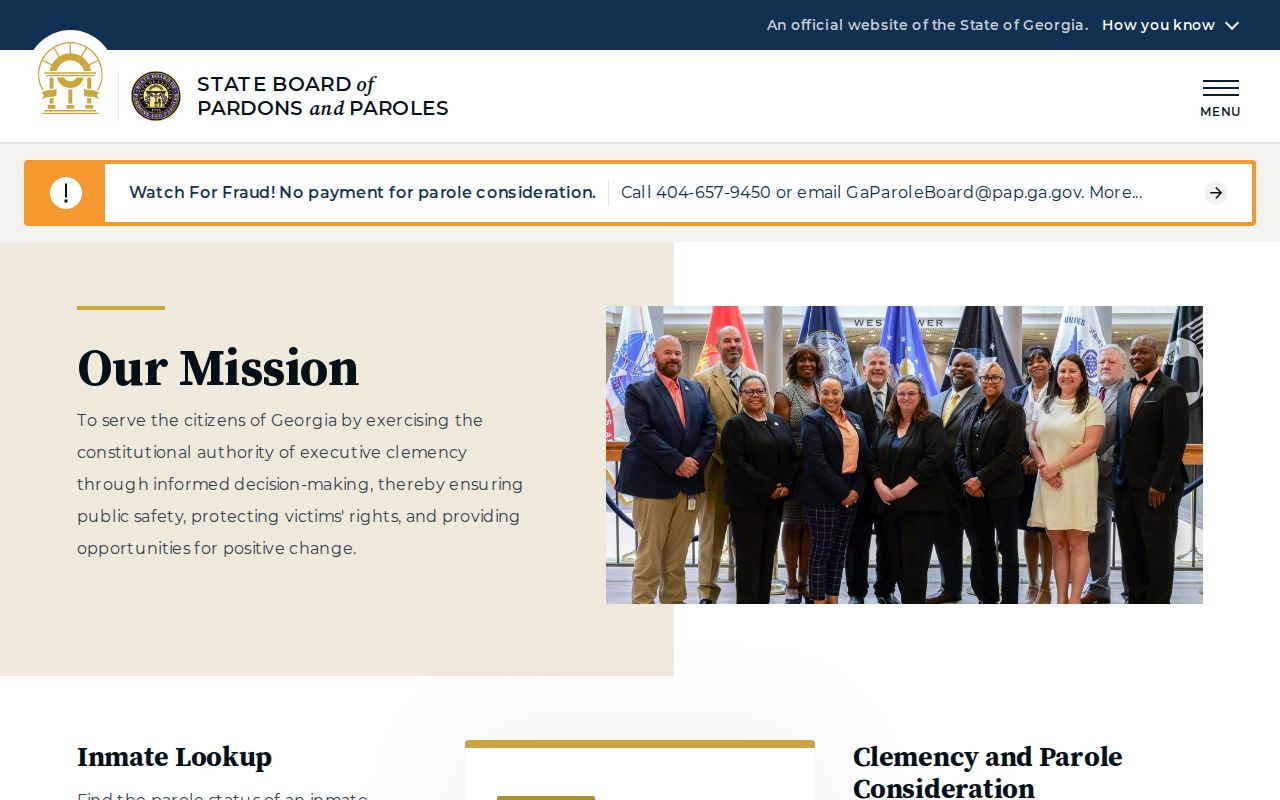
Use that source for parole, DCS for supervision routing, and the Jenkins docket for a sentence or revocation order. A Millen-origin matter may require the separate Millen Criminal Records route.
Reading Jenkins Court Case Outcomes
Keep disposition terms precise. An acquittal is a not-guilty result after trial. A dismissal ends a charge without conviction, while nolle prosequi records a prosecutor's formal choice not to proceed at that time. A true bill approves an indictment; a no bill does not. First Offender treatment is distinct from an ordinary conviction and may change later publication after successful discharge. None of these terms should be collapsed into the word closed.
Read each count, not just the case-level status. One count may be dismissed while another ends in a plea. Ask for the signed judgment when an index abbreviation is unclear. If a GCIC history lacks the Jenkins County disposition, compare it with the certified clerk record and use the GBI correction route. The clerk file establishes the judicial result, while GCIC handles the state history assembled from agency submissions.